Kartoon: A Playful Display Font for Modern Creativity
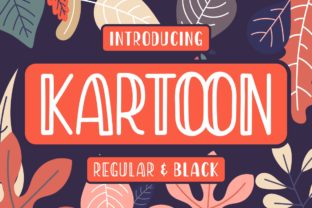
Kartoon is a display font that brings a sense of joy and approachability to any design project. With its rounded edges, soft curves, and friendly character, it stands out as a versatile tool for professionals and creatives looking to add personality to their work. Whether you're designing marketing materials, crafting social media posts, or creating educational content, Kartoon offers a unique aesthetic that feels both professional and inviting.
Understanding the Role of Kartoon in Design Workflows
Fonts are more than just text—they're visual elements that shape how messages are received. Kartoon fits into this role by offering a balance between playfulness and readability. It's ideal for use in headlines, logos, and other prominent text elements where a warm, approachable tone is desired. Its down-to-earth vibe makes it particularly well-suited for brands aiming to connect with audiences on a personal level.
When integrating Kartoon into your workflow, consider how it interacts with other design components. Pairing it with more traditional sans-serif or serif fonts can create contrast and visual interest. For example, using Kartoon for headings and a clean sans-serif font for body text ensures readability while maintaining a cohesive design language.
Pre-Project Integration: Setting the Tone
Before starting a design project, selecting the right font can set the overall tone and direction. Kartoon is an excellent choice when the goal is to convey warmth, creativity, or a youthful energy. This makes it especially useful for branding projects targeting younger demographics, educational content, or creative industries such as animation and children's media.
Consider conducting a quick mood board or style guide session before diving into the design phase. Including Kartoon in these early planning stages helps align the team on the visual direction and ensures consistency throughout the project.
During the Design Process: Enhancing Visual Appeal
Once the project is underway, Kartoon can be used strategically to highlight key messages or draw attention to important elements. Its playful nature makes it perfect for call-to-action buttons, banners, and promotional graphics. When paired with high-quality images or illustrations, Kartoon adds a layer of charm that can make designs feel more engaging.
It's also worth experimenting with different weights and sizes of Kartoon to see how it performs in various contexts. While it's primarily a display font, subtle variations in size and spacing can help integrate it seamlessly into larger compositions without overwhelming the viewer.
Practical Use Cases for Kartoon
Kartoon isn't limited to just one type of design application. Here are several practical scenarios where it shines:
- Marketing Materials: Use Kartoon for headlines in flyers, posters, and digital ads to capture attention and create a friendly impression.
- Social Media Graphics: Incorporate Kartoon into Instagram, Facebook, or Twitter posts to make captions and hashtags stand out in a crowded feed.
- Website Design: Apply Kartoon to navigation menus, hero sections, or feature titles to enhance user experience with a more approachable look.
- Presentations: Add Kartoon to slide titles or key points in PowerPoint or Keynote presentations to keep the audience engaged.
- Print Projects: From business cards to packaging, Kartoon adds a touch of personality that can differentiate your brand from competitors.
Each of these use cases benefits from Kartoon's ability to blend fun with professionalism. The key is to maintain balance—ensuring that the font enhances rather than distracts from the message being conveyed.
Post-Project Considerations: Ensuring Consistency and Quality
After completing a design project, it's important to review how Kartoon was used across all deliverables. This includes checking for consistency in sizing, spacing, and color pairing. If the font was used in multiple formats (e.g., print and digital), ensure that it maintains its intended effect in each medium.
Additionally, consider gathering feedback from stakeholders or end-users to understand how the font contributed to the overall impact of the project. This insight can help refine future usage and improve the effectiveness of Kartoon in similar contexts.
Integration Tips and Workflow Examples
Integrating Kartoon into your workflow doesn't require a complete overhaul of your existing design practices. Here are some tips to help you get started:
- Start Small: Begin by using Kartoon in one or two areas of your design to test how it works within your current style. This allows you to assess its impact without overcomplicating the process.
- Pair Wisely: As mentioned earlier, combining Kartoon with complementary fonts can enhance visual harmony. Experiment with different pairings to find what works best for your brand or project.
- Use Style Guides: Develop a style guide that outlines how Kartoon should be used across different platforms and formats. This ensures consistency and helps maintain quality control.
- Test Across Devices: Check how Kartoon appears on various screen sizes and resolutions. Ensure that it remains legible and visually appealing in both digital and print formats.
For example, if you're working on a website redesign, you might use Kartoon for the main navigation menu and header title, while keeping the rest of the site in a clean sans-serif font. This approach keeps the design modern while adding a touch of personality through the use of Kartoon.
Long-Term Use and Adaptability
One of the advantages of Kartoon is its adaptability. It can be used across multiple projects and industries, making it a valuable asset in any designer's toolkit. However, it's important to remain mindful of context and purpose when using it. While it's perfect for casual or creative applications, it may not be suitable for formal or highly technical documents where a more serious tone is required.
Over time, as you become more familiar with Kartoon's characteristics, you'll develop an intuitive sense of when and how to use it effectively. This knowledge will help you streamline your workflow and make better design decisions with confidence.
Ultimately, Kartoon is more than just a font—it's a creative tool that can elevate your designs and help you connect with your audience in meaningful ways. By understanding its strengths and limitations, you can integrate it smoothly into your workflow and unlock new possibilities for your projects.