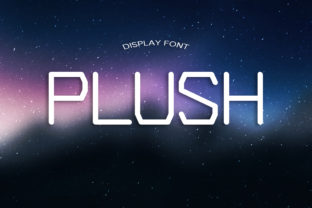
Plush: A Blocky Sans Serif Font That Elevates Your Designs
If you're looking for a font that stands out without shouting, Plush might be the one. This blocky sans serif display font brings a bold yet approachable look to any design project. Whether you're working on a logo, a poster, or a website header, Plush adds a touch of character that makes your message more memorable.
What Is Plush?
Plush is a modern display font with a blocky, geometric structure. It’s designed to grab attention while maintaining readability. The clean lines and sturdy shapes give it a friendly, almost playful feel, making it ideal for projects that need a bit of personality without being too flashy.
Unlike traditional serif fonts that can feel formal or old-fashioned, Plush has a contemporary edge. Its sans serif style keeps things simple and modern, while the blocky letters add visual weight and impact.
Where Can You Use Plush?
The versatility of Plush means it fits into many different scenarios. Here are some real-world examples of where this font shines:
- Logos and Branding: Plush works well for logos that want to feel strong and approachable. Think of a local café or boutique that wants to stand out but still feel welcoming.
- Posters and Flyers: When you need to catch someone's eye from across the room, Plush can do the trick. Its bold appearance ensures that your headline is noticed immediately.
- Website Headers: Websites that use Plush in their headers often see an increase in engagement. The font helps create a sense of energy and movement, especially when paired with vibrant colors.
- Social Media Graphics: For Instagram posts, Facebook covers, or Twitter banners, Plush adds a unique flair that sets your content apart from the crowd.
Why Choose Plush Over Other Fonts?
While there are plenty of display fonts on the market, what makes Plush special is its balance between boldness and simplicity. It doesn’t scream at you like some other fonts, but it still manages to draw the eye. This makes it perfect for situations where you want your message to be clear and impactful without overwhelming the viewer.
Another reason to consider Plush is its scalability. Whether you’re using it in print or digital formats, the font maintains its integrity. It looks great on large billboards and still reads well on mobile screens.
How Different Users Benefit From Plush
Entrepreneurs and small business owners can use Plush to create a brand identity that feels both professional and personable. A bakery, for example, could use Plush in its logo to convey a sense of warmth and reliability.
Marketers and content creators will appreciate how Plush enhances call-to-action buttons or headlines. Its bold nature makes it easier for viewers to take notice and act on your message.
Educators and publishers might find Plush useful for creating educational materials or book covers that are visually engaging. It can help break up text-heavy pages and make learning more enjoyable.
Freelancers and designers can use Plush as part of their portfolio or client presentations. It adds a layer of creativity and professionalism that shows off their design sensibilities.
Things to Consider Before Using Plush
Before jumping in, there are a few things to keep in mind. First, Plush is a display font, which means it’s best used for headings or short bursts of text rather than long paragraphs. Trying to use it for body text might result in a cluttered or hard-to-read layout.
You should also consider how it pairs with other fonts. Plush works well with simpler, more readable fonts for body text. Combining it with something like Arial or Helvetica can create a nice contrast without clashing.
Lastly, think about the context in which you’re using it. While Plush is versatile, it might not be the best fit for every situation. If you're designing something very formal or academic, you may want to opt for a more traditional font instead.
Real-World Examples of Plush In Action
Imagine a local bookstore that uses Plush in its window display. The bold, blocky letters instantly grab attention and invite people to step inside. The font gives the store a friendly, inviting vibe that matches its cozy atmosphere.
A tech startup launching a new app might use Plush in their marketing materials. The font conveys innovation and energy, aligning with the brand’s image. It also helps differentiate them from competitors who use more conventional fonts.
A fitness coach promoting a new workout program could use Plush in their social media posts. The font adds a sense of strength and determination, reinforcing the message of the content.
Final Thoughts
Plush is more than just another font—it’s a tool that can transform your designs and help your message stand out. Whether you're an entrepreneur, marketer, designer, or hobbyist, this blocky sans serif font offers a fresh and effective way to communicate your ideas.
By understanding where and how to use Plush, you can unlock its full potential and create visuals that are both functional and stylish. So next time you're working on a project that needs a little extra oomph, consider giving Plush a try. You might just find that it’s exactly what you were looking for.