Slide Font Elegance: A Versatile Design Tool for Every Project
The Slide font has emerged as a favorite among designers and content creators due to its unique elegance and adaptability. Whether you're working on a headline, body text, or any other design project, the Slide font offers a refined look that enhances visual appeal without compromising readability. In this article, we’ll explore how the Slide font’s versatility makes it an ideal choice across various design applications, from digital media to print materials.
Understanding the Slide Font
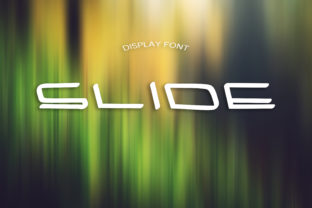
Before diving into the practical uses of the Slide font, it's important to understand what makes it stand out. The Slide font is a display font, which means it's designed primarily for attention-grabbing elements like headlines, logos, and banners. However, unlike many display fonts that sacrifice readability for style, Slide maintains a balance between aesthetics and legibility.
Key features of the Slide font include:
- Smooth curves and clean lines
- High contrast between thick and thin strokes
- A modern yet timeless appearance
- Excellent scalability for both large and small text sizes
This combination of characteristics makes Slide suitable not only for headlines but also for extended body text in certain contexts.
The Role of Slide Font in Modern Design
In today's fast-paced digital world, first impressions matter more than ever. The Slide font plays a crucial role in capturing attention and conveying a sense of sophistication. Its elegant curves and structured form make it particularly effective in branding, marketing, and web design.
Why is Slide font popular in branding?
Branding often requires a font that can communicate professionalism and creativity simultaneously. Slide achieves this by offering a polished look that appeals to a wide audience. It's especially well-suited for industries such as fashion, technology, and lifestyle where a sleek, modern aesthetic is desired.
Slide Font in Web Design
When it comes to web design, typography plays a significant role in user experience. The Slide font can be used effectively in several ways:
- Headlines and subheadings: Slide’s bold and striking appearance makes it perfect for drawing attention to key sections of a webpage.
- Call-to-action buttons: The font's clarity and elegance can enhance the visibility and effectiveness of call-to-action buttons.
- Logo design: The Slide font can be customized to create unique and memorable logos that reflect a brand's identity.
By using Slide font strategically, designers can create visually appealing websites that are also easy to navigate.
Slide Font in Print Media
While the Slide font excels in digital environments, it is equally valuable in print media. From brochures to business cards, the font's versatility allows it to be used in a variety of formats without losing its charm.
Examples of Slide font in print media include:
- Magazine covers: The font’s eye-catching nature makes it ideal for headlines on magazine covers.
- Posters and flyers: Slide’s structure and elegance can help posters and flyers stand out in crowded spaces.
- Business cards: The font adds a touch of professionalism while maintaining a modern feel.
Whether you're designing for a high-end fashion brand or a tech startup, the Slide font provides a consistent and stylish appearance that enhances your message.
How Slide Font Fits Into Everyday Life
Design isn't just about aesthetics—it's also about functionality. The Slide font's ability to blend elegance with readability makes it a practical choice for everyday use. Here are a few examples of how Slide font can be incorporated into daily life:
1. Education:
In educational settings, typography plays a vital role in learning. Slide font can be used in presentations, handouts, and digital learning platforms to make information more engaging and visually appealing.
2. Business:
From company reports to marketing materials, Slide font helps maintain a professional image. It can be used in presentations, emails, and even internal documentation to reinforce brand identity and improve communication.
3. Creativity:
Creative professionals such as graphic designers, photographers, and artists often rely on typography to express their vision. Slide font provides a versatile tool that can be adapted to different creative projects, whether it's a poster, a website, or a social media post.
4. Technology:
In the tech industry, design is essential for user experience. Slide font can be used in app interfaces, software menus, and product packaging to create a seamless and visually pleasing experience for users.
Common Misconceptions About Slide Font
Despite its popularity, there are still some misconceptions about the Slide font that need to be addressed:
Misconception 1: Slide font is only for headlines.
Reality: While Slide font is excellent for headlines, its clean lines and structured form also make it suitable for body text in certain contexts. When used appropriately, it can enhance the overall design without overwhelming the reader.
Misconception 2: Slide font is too formal for casual designs.
Reality: Although Slide font has a sophisticated look, it can be adapted to fit a wide range of styles. By adjusting the weight, spacing, and color, designers can create a more casual or playful appearance that suits different audiences.
Misconception 3: Slide font is difficult to read on screens.
Reality: Slide font is optimized for screen readability. Its clear structure and high contrast ensure that it remains legible even at smaller sizes. This makes it a great choice for websites, mobile apps, and other digital platforms.
Getting Started with Slide Font
If you're new to using the Slide font, here are a few tips to help you get started:
- Choose the right size: Use larger sizes for headlines and smaller sizes for body text to maintain visual hierarchy.
- Experiment with spacing: Adjust letter and line spacing to improve readability and aesthetics.
- Pair with complementary fonts: Combine Slide with other fonts to create a balanced and cohesive design.
- Use it sparingly: Avoid overusing the Slide font in a single design to prevent clutter and maintain focus.
By following these guidelines, you can effectively incorporate Slide font into your design projects and achieve a professional, elegant result.
Conclusion
The Slide font is more than just a stylish typeface—it's a powerful tool that can elevate the visual appeal of any design project. From headlines to body text, Slide offers a versatile and elegant solution that works across a wide range of applications. Whether you're a designer, marketer, or content creator, understanding the strengths and limitations of the Slide font can help you make informed design choices that resonate with your audience.
As you continue to explore the world of typography, remember that the right font can make all the difference in how your message is received. With its timeless elegance and adaptability, the Slide font is a great choice for anyone looking to enhance their design work with a touch of sophistication.